
Stage 4 breast cancer: progress, possibility and the need for equity

Stage 4 breast cancer is often discussed through the language of challenge. That is understandable. But the story of stage 4 breast cancer is not standing still.

Treatment has become more biologically specific. More therapies are shaped by receptor status, genomic alterations, previous treatment and individual goals. Research is also asking better questions about resistance, treatment sequencing, quality of life and how people can access trials and new options.
For people living with stage 4 breast cancer, the aim is not just longer survival. It is also more time with an acceptable quality of life, fewer avoidable side effects, clearer information and care that reflects what matters to the person as well as the disease.

Stage 4 breast cancer is not one situation
The term describes the extent of disease but not the biological condition. Treatment decisions depend on factors including hormone receptor status, HER2 status, previous treatment, disease location, symptoms, general health and patient preferences. The 2026 ESMO Clinical Practice Guideline for metastatic breast cancer covers diagnosis, staging, risk assessment, treatment, disease monitoring and the patient perspective. [1] That breadth matters. Different people will need different treatment options depending on a myriad of factors. This is why stage 4 breast cancer cannot be reduced to a single pathway.

Progress is increasingly biomarker-led
Stage 4 breast cancer treatment has changed because the disease is increasingly divided into biologically defined groups.
Biomarkers can help identify whether a treatment is relevant for a particular person or tumour. ASCO guidance addresses biomarkers including hormone receptor and HER2 status, germline BRCA1 and BRCA2, PIK3CA, ESR1, PD-L1, mismatch repair deficiency, tumour mutational burden and NTRK. [2]
This does not mean every biomarker applies to every person. It means treatment decisions increasingly depend on asking a specific question in a specific setting.

The wider message is clear. Breast cancer biology can change under treatment pressure. What’s needed are methods that can help characterise disease at relevant points in the care journey.

More options create new questions
Progress in stage 4 breast cancer is not only about adding more drugs. It also creates new questions about which treatment should be used first, what should follow after progression, how efficacy should be balanced with toxicity and quality of life, and which biomarkers are ready for clinical use.
Antibody-drug conjugates are a good example. ESMO Breast Cancer 2026 highlighted that these therapies have changed the management of metastatic breast cancer, while data to guide optimal sequencing remains limited. [3,4]

This is a responsible way to talk about innovation. It recognises progress without pretending that every practical question has already been answered.

Liquid biopsy research may help study change over time
Stage 4 breast cancer is often treated over multiple lines of therapy. The disease may adapt, respond, stabilise or progress. This makes change over time an important research question.

Liquid biopsy approaches are being studied because tumour-derived material can sometimes be found in blood or other bodily fluids. [5] This might include circulating tumour DNA, circulating tumour cells and other tumour-associated material.

Circulating tumour DNA can provide molecular information from tumour-derived DNA fragments. [6] Circulating tumour cells are intact tumour cells in the bloodstream. [7] Each may answer different research questions and require different evidence standards.

ASCO’s 2026 guideline on circulating tumour DNA stresses that testing should be used within evidence-based clinical contexts and that recommendations depend on tumour type, setting and intended use. ASCO’s metastatic breast cancer biomarker guideline states that there is insufficient data to recommend routine use of circulating tumour DNA or circulating tumour cells to monitor response to therapy in metastatic breast cancer. [2]

For us, that boundary is important. Frontier Diagnostics is developing Sentinel qCTC™, an investigational platform intended to explore the characterisation of intact circulating tumour cells. This is a research and development statement, not a clinical claim.

The research opportunity is to understand whether intact circulating tumour cell information can contribute to future studies of tumour biology, heterogeneity and change over time. The evidence pathway must remain rigorous.

Equity determines who benefits from progress
Innovation only fulfils its promise when people can access it.

For stage 4 breast cancer, access can include timely diagnosis of recurrence, biomarker testing, specialist oncology care, symptom support, palliative care, clinical trials, new medicines and trusted information.

Patient organisations have a vital role in this conversation. Make 2nds Count is a UK-wide patient and family-focused charity for people affected by secondary, or metastatic, breast cancer. Its work includes research, awareness, support and education, as well as the only patient-focused conference in the UK for secondary breast cancer, held this year in Liverpool. [8]

People living with stage 4 breast cancer often need more than treatment information. They may need help understanding terminology, trial options, side effects, scan results, work, family conversations and the emotional reality of living with incurable disease, as well as the connection, which can only come from being with other women (or men) who have a similar lived experience.

A democratised future for cancer diagnostics cannot focus only on technical performance. It must also consider who gets tested, who understands the result, who can act on it and who may be left behind.

A grounded form of hope
Hope in stage 4 breast cancer should be grounded.

It should never suggest that every advance applies to every person. It should never allude to or imply cure where cure is not the expected outcome. It should never treat trial results as if they are already available to all patients in all health systems.

But it should recognise real movement.

More treatments are being developed around tumour biology. More research is focused on resistance and sequencing. Liquid biopsy and cellular analysis are expanding the questions researchers can ask. Patient advocates are shaping priorities and pushing for better access. Charities and communities are connecting those with lived experience.

That is the space where progress, possibility and equity meet.

At Frontier Diagnostics, our long-term vision is to contribute to building a future to democratise real-time cancer diagnostics for everyone, everywhere. In stage 4 breast cancer, that vision will mean working carefully and responsibly towards better biological insight that could, with the right evidence, support future research and more informed pathways.

Stage 4 breast cancer remains a profound clinical and personal challenge. It is also an area of active progress.
The task now is to ensure that progress is responsible, evidence-led and designed to reach everyone.

Sentinel qCTC™ is an investigational technology platform undergoing development at Frontier Diagnostics Ltd. The platform has not reached design freeze and has not been submitted for regulatory review under IVDR (EU) 2017/746, UK MDR 2002, or FDA 21 CFR Part 809. It is not approved, cleared, or validated for diagnostic, clinical, or commercial research use. All scientific content relating to Sentinel qCTC™ describes developmental aims and does not constitute performance claims.

Sources
1. European Society for Medical Oncology. ESMO Clinical Practice
2.
Henry NL, et al. Biomarkers for Systemic Therapy in Metastatic Breast Cancer: ASCO Guideline Update. Journal of Clinical Oncology. 2022. : Metastatic Breast Cancer. 29 May 2026.
3. ESMO Daily Reporter. Sustained quality-of-life benefits reported with first-line antibody-drug conjugate in triple-negative breast cancer. 13 May 2026.
4. ESMO Daily Reporter. How to sequence antibody-drug conjugates in metastatic breast cancer? Target switching alone may not be the answer. 8 May 2026.
5. Venkataraman J, et al. Liquid biopsy in breast cancer: a practical guide for surgeons. Gland Surgery. 2025.
6. Lockwood CM, et al. Circulating Tumor DNA Testing in Solid Tumors and Lymphoma: ASCO Guideline. JCO Oncology Practice. 2026.
7. Thomas-Bonafos T, et al. Circulating tumor cells in breast cancer: clinical validity and utility. npj Breast Cancer. 2024.
8. Make 2nds Count. About Us. Accessed 15 July 2026.

The story behind the stats.

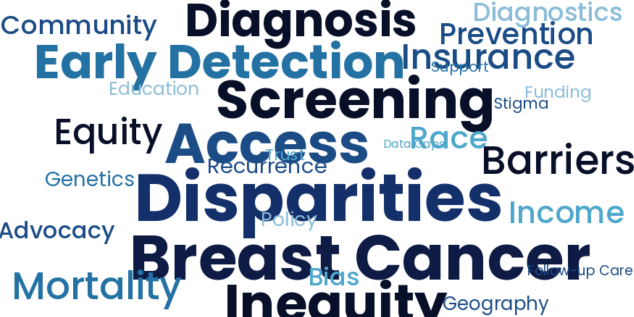
July is Ethnic Minority Cancer Awareness Month – so it is timely to review why this is so important. The breast cancer statistics from bone fide sources must tell the story accurately – or do they? Breast cancer is not one story. A more equitable future begins by recognising the differences that headline figures can hide.

• Are more people diagnosed early?
• Are screening and diagnostic services reaching communities with lower participation?
• Are diverse populations represented in research?
• Can new approaches support better-informed decisions across the full breast cancer care continuum?
• And will innovation be accessible beyond a small number of specialist centres?

Progress should therefore be measured in more than national averages. It should also be measured by whether gaps are narrowing.
The scale of breast cancer is significant, but scale alone does not explain the challenge. Breast cancer varies biologically. It is diagnosed at different stages. It affects women and men, younger and older people, and communities with different experiences of healthcare.

A clearer measure of progress
For us, democratisation means considering accessibility, representation and real-world use from the beginning. Innovation should not be designed only for people who already have the easiest access to specialist care. At Frontier Diagnostics, our vision is to democratise real-time cancer diagnostics for everyone, everywhere. We are developing Sentinel qCTC™, an investigational technology platform intended to explore the characterisation of intact circulating tumour cells. This work remains at an early developmental stage. No claims are made about clinical performance or utility.

Diagnostics and monitoring are central to this discussion. Decisions across breast cancer care depend on reliable information about the disease and how it may be changing. The long-term promise of biomarker-led approaches is to support decisions that are increasingly aligned with the biology of an individual cancer.
At the ESMO Asia Congress, December 2025, it was emphasised that population diversity in cancer treatment matters, because gaps in clinical, pathological and genetic data can contribute to unequal access to genomic testing, liquid biopsies, clinical trials and tailored treatment.[11]
It should also recognise that people reach diagnosis through different routes and may need different forms of information and support. It means asking who participates in screening, who is diagnosed early, whose cancer is fully characterised, who is represented in research and who benefits from advances in care.
Precision oncology is often described as matching treatment to the characteristics of a person’s cancer. That is an important part of personalised care, but personalisation should extend beyond selecting treatment options.

Personalisation must include equity
These findings should not be reduced to a single explanation or attributed to ethnicity itself. Biology, social conditions and healthcare systems interact. The important question is whether every person can reach diagnosis, specialist assessment and appropriate treatment without avoidable barriers.
Deprivation also shapes outcomes. English studies have reported that women from more deprived groups are more likely to be diagnosed at a later stage and can experience higher breast cancer mortality, even within a screened population.[9,10]

Research using English cancer registration data found that ethnic minority women were more likely to have breast cancers with less favourable characteristics, even after accounting for age and other factors.[7] Other studies have shown that differences in survival can be partly explained by socioeconomic circumstances, stage at diagnosis and tumour biology.[8] Breast cancer incidence varies between ethnic groups in England, but lower incidence does not necessarily mean an equal or better experience after diagnosis. Large population studies have found differences in age at presentation, tumour characteristics, stage and survival between ethnic groups.[6,7,8]

Different communities can face different outcomes

The reasons are rarely simple. They can include awareness, language, fear, practical barriers, trust in healthcare, competing responsibilities and previous experiences of services. Improving participation therefore requires more than sending the same invitation to everyone. It requires communication and services that respond to the communities they are intended to reach. Screening can help detect breast cancer before symptoms develop. However, equal availability does not always lead to equal participation. Research in England has identified lower breast screening uptake in more deprived communities and among some ethnic minority groups.[4,5]
The stage at which breast cancer is diagnosed remains one of the strongest influences on outlook. Population data from England shows a steep survival gradient between early-stage and stage 4 disease.[3] These statistics describe groups, not individuals, but they demonstrate why timely diagnosis and access to appropriate care matter.

Stage at diagnosis changes the picture
Some breast cancers grow slowly. Others are more aggressive. Some respond to endocrine therapy or HER2-targeted treatment. Triple-negative breast cancer may require a different approach. A single average can never describe all these experiences. Progress also needs context. Breast cancer is not one disease with one predictable course. It includes biologically distinct subtypes, defined in part by hormone receptor and HER2 status, with different patterns of behaviour and different treatment pathways. Current ESMO guidance reflects this complexity by recommending that diagnosis and treatment decisions are informed by tumour biology, disease extent, individual health and patient preferences.[2]
Breast cancer research, screening and treatment have changed many lives. Survival has improved substantially over recent decades. Yet the scale of the disease remains significant, with almost 60,000 people diagnosed in the UK each year.[1]

Progress, but not the same progress for everyone
Breast cancer is the most commonly diagnosed cancer in the UK, but headline figures can hide important differences in biology, stage at diagnosis, treatment and outcomes. Understanding those differences is essential if progress is to reach everyone to enable equitable access to diagnosis, treatment, monitoring, and outcomes. This is especially relevant because July is Ethnic Minority Cancer Awareness Month which links directly to our vision of democratising real-time diagnostics and care.

Sentinel qCTC™ is an investigational technology platform undergoing development at Frontier Diagnostics Ltd. The platform has not reached design freeze and has not been submitted for regulatory review under IVDR (EU) 2017/746, UK MDR 2002, or FDA 21 CFR Part 809. It is not approved, cleared, or validated for diagnostic, clinical, or commercial research use. All scientific content relating to Sentinel qCTC™ describes developmental aims and does not constitute performance claims.

Sources:
1. Cancer Research UK
2. ESMO Clinical Practice Guidelines
3. ONS and NCRAS
4. Jack RH, Møller H, Robson T, Davies EA. Breast cancer screening uptake among women from different ethnic groups in London: a population-based cohort study. BMJ Open. 2014;4:e005586. doi:10.1136/bmjopen-2014-005586.
5. UK Health Security Agency. Breast screening: identifying inequalities. Updated 27 September 2024.
6. Jack RH, Davies EA, Møller H. Breast cancer incidence, stage, treatment and survival in ethnic groups in South East England. British Journal of Cancer. 2009;100:545–550.
7. Gathani T, Ali R, Balkwill A, et al. Ethnicity and the tumour characteristics of invasive breast cancer in over 116,500 women in England. British Journal of Cancer. 2021;125:611–617.
8. Møller H, Henson K, Lüchtenborg M, et al. Short-term breast cancer survival in relation to ethnicity, stage, grade and receptor status: national cohort study in England. British Journal of Cancer. 2016;115:1408–1415.
9. Lyratzopoulos G, Abel GA, Brown CH, et al. Socio-demographic inequalities in stage of cancer diagnosis. Annals of Oncology. 2013;
10. Morris M, Woods LM, Rachet B. What might explain deprivation-specific differences in the excess hazard of breast cancer death among screen-detected women? Cancer Epidemiology. 2016;43:72–80.
11. European Society for Medical Oncology. Population diversity in cancer treatment: differences matter. ESMO Daily Reporter, ESMO Asia Congress 2025. Published 6 December 2025.

The Future of Cancer Diagnostics: where liquid biopsy goes next

The Future of Cancer Diagnostics: Where Liquid Biopsy Goes Next

Over the past decade, liquid biopsy has been moving from a research concept to a clinical reality. ctDNA testing is used in clinical practice to detect residual disease and monitor treatment response. Although CTC enumeration has long been an FDA-recognised prognostic biomarker in metastatic breast cancer, the technology overall is approaching a significant inflection point- one that may deliver on its initial promise of reliable, large-scale detection and ongoing analysis of tumour biology.
The trajectory is upward. The next decade of liquid biopsy development promises to be more significant still. Here is where the field is heading — and what it means for patients, clinicians, and the cancer diagnostics landscape.

Multi-cancer early detection
The most ambitious application of liquid biopsy technology is multi-cancer early detection (MCED)- the ability to screen for multiple cancer types simultaneously from a single blood draw.
Several large-scale MCED tests are now in clinical development or early commercial deployment. These tests analyse patterns of ctDNA methylation or other biomarkers to detect cancer signals and, in some cases, identify the tissue of origin. Early data is promising: some approaches have demonstrated the ability to detect cancers for which no standard screening currently exists, including pancreatic, ovarian, and oesophageal cancer.
The public health implications of this are significant. Many cancers are currently diagnosed late precisely because there is no routine screening programme. MCED has the potential to change that fundamentally.

AI-assisted analysis
The volume and complexity of data generated by liquid biopsy testing creates a challenge that artificial intelligence is increasingly well-placed to address. Machine learning models are being developed to analyse CTC morphology, ctDNA patterns, and multi-omic data in ways that go beyond what manual analysis can achieve.
In CTC testing specifically, AI-assisted image analysis can improve the accuracy of cell identification, reduce false positives, and extract biological information from cell characteristics that would otherwise be difficult to quantify. This is not a future aspiration — it is an active area of development with early clinical applications already emerging.

Expanding beyond cancer
Liquid biopsy technology developed for oncology is beginning to find applications beyond cancer. Cell-free DNA analysis is being explored in prenatal testing, organ transplant monitoring, and cardiovascular disease. The underlying technology — detecting and analysing biological material circulating in blood — has applications wherever biological change needs to be tracked non-invasively over time.

The regulatory and commercial landscape
The regulatory pathway for liquid biopsy tests is maturing. In the UK, the MHRA is developing frameworks for innovative diagnostics. In the EU, the In Vitro Diagnostic Regulation (IVDR) sets a rigorous standard for diagnostic test approval. In the US, the FDA has established clear criteria for liquid biopsy test evaluation, and several tests have received breakthrough device designation.
Investment in liquid biopsy companies has grown substantially, and established diagnostics companies are acquiring or partnering with innovative developers. The market opportunity is substantial — and the clinical need it addresses is clear.

Where Frontier Diagnostics fits in
At Frontier Diagnostics, we are focused on CTC technology- albeit at the pre-RUO stage- specifically the analysis of whole tumour cells in the bloodstream. We believe this remains one of the most clinically rich applications of liquid biopsy technology, and that the information available from intact cancer cells goes beyond what genetic fragment analysis alone can provide.
The field is moving quickly. The science is advancing, the evidence base is growing, and the clinical case is becoming harder to ignore. We are committed to being at the forefront of that progress.

Blood tests for cancer recurrence – how CTC monitoring could support follow-up care

Blood Tests for Cancer Recurrence: How CTC monitoring could support follow-up care

Completing cancer treatment is a significant milestone. But for many patients, the period that follows is defined not by relief, but by anxiety- wondering whether the cancer will come back, and whether they will know in time if it does. This is something which can last for the rest of their lives.

Current follow-up care typically involves periodic clinical reviews and imaging. These are important. They are also, in many cases, insufficient to detect recurrence at the earliest possible biological stage. And we know that early detection can save lives.
Circulating tumour cell (CTC) monitoring is looking to change this. Here is how.

The surveillance gap
When a patient finishes primary treatment, they enter a surveillance phase. The goal is to detect any sign that the cancer has returned as early as possible. The challenge is that standard surveillance tools are designed to detect structural change. Imaging can show a mass that has grown large enough to be visible. A clinical examination can identify symptoms that have already developed. By the time these tools detect recurrence, the biology has often been signalling for some time.

What CTC monitoring adds
Circulating tumour cells are shed by cancer cells into the bloodstream. In a patient who has completed treatment, the presence of CTCs — and the trajectory of CTC counts over time — provides a biological signal that can precede structural change.
Research in breast cancer and other tumour types has demonstrated that rising CTC counts during post-treatment surveillance are associated with an increased risk of clinical recurrence. In some studies, CTC changes have preceded imaging-detectable relapse by weeks to months.
Earlier detection of recurrence opens up earlier intervention. And earlier intervention, in most cancer types, is associated with more treatment options and better outcomes.
What this might look like

• A blood draw at regular intervals — typically every two to three months, aligned with existing follow-up appointments
• CTC enumeration from the blood sample — counting the number of circulating tumour cells present
• Tracking changes over time — a stable or a declining low count is reassuring; a rising count warrants further investigation
• Integration alongside standard imaging and clinical review, not as a replacement

The patient experience
For patients, the practical reality of CTC monitoring is very different from other surveillance tools. A blood draw takes minutes, requires no preparation, and can be carried out at a routine appointment. For patients already carrying the psychological burden of post-treatment uncertainty, regular access to a biological data point has real value.

Where Frontier Diagnostics fits in
At Frontier Diagnostics, post-treatment monitoring from Stage 1 to Stage 4 tumours is one of the clearest potential applications of our CTC detection technology. We believe the surveillance gap in cancer care is real, and that liquid biopsy- specifically whole-cell CTC analysis- could be one of the most powerful tools available to close it.

The Rising Tide of Early-Onset Cancer

Early-onset cancers are increasing globally, with particularly notable rises in colorectal, pancreatic, uterine and liver cancers. Discussions at ASCO and AACR in 2026 highlighted growing concern that these trends represent a genuine epidemiological shift rather than improved detection alone.

Background
Historically, most cancers occurred in older adults. However, multiple studies now demonstrate increasing incidence in adults under 50. Researchers are investigating obesity, metabolic disease, dietary changes, microbiome alterations and environmental exposures as possible contributors.

Colorectal Cancer
Colorectal cancer represents one of the strongest examples of early-onset cancer. Incidence has increased steadily in younger adults across several countries and has become a leading cause of cancer death in younger age groups.

Pancreatic Cancer
Changes in diagnostic classification explain part of the observed increase, but do not fully account for rising incidence. Environmental and metabolic influences remain under investigation.

Environmental and Lifestyle Drivers
Potential contributors include obesity, ultra-processed foods, sedentary lifestyles, microbiome disruption, antibiotics, environmental chemicals and endocrine-disrupting compounds.

Birth-Cohort Effect
Evidence suggests that individuals born in more recent decades face higher risks than previous generations at the same age, implying long-term effects of early-life exposures.

Implications for Diagnostics
The increasing burden of early-onset cancer challenges traditional screening paradigms and may increase demand for scalable, accessible diagnostic technologies capable of supporting earlier detection and monitoring.

Frontier Perspective
The evolving epidemiology of cancer reinforces the importance of developing technologies that may support earlier biological insight. Future liquid biopsy approaches, including CTC and ctDNA analysis, may contribute to risk assessment and disease detection following appropriate clinical validation and regulatory approval.

Key Takeaways
• Early-onset cancers are increasing globally.
• Colorectal cancer provides some of the clearest evidence of a true epidemiological shift.
• Obesity alone does not explain observed trends.
• Microbiome and environmental factors are active areas of research.
• Birth-cohort effects suggest risks may persist into later life.
• Earlier and more personalised diagnostic approaches may become increasingly important.

Selected References
Ledford H. Why are so many young people getting cancer? What researchers do and don’t know. Nature. 2026.
Ugai T et al. Is early-onset cancer an emerging global epidemic? Nat Rev Clin Oncol. 2022.
AACR Cancer Research Catalyst. What’s Behind the Increase in Cancer Cases Among Younger Adults? 2026.
Sung H et al. Birth cohort patterns and cancer incidence in younger adults. Lancet Public Health. 2024.

Circulating Tumour Cells (CTCs) and breast cancer

Circulating Tumour Cells in Breast Cancer: from discarded technology to new possibilities

Breast cancer is the most commonly diagnosed cancer in the UK, with almost 60,000 new cases each year and incidence rates are increasing. According to CR UK, incidences of breast cancer have increased by 20% since the early 1990s. So what can we do? Early detection saves lives- that is not a slogan, it is a clinical fact. And the tools available to detect, monitor and understand breast cancer are improving.
The next generation of Circulating Tumour Cell (CTC) technology is one of those advances. Here is what it is and what it might mean.

What are Circulating Tumour cells?

When a breast tumour grows, it does not stay entirely in one place. Cancer cells break away from the tumour and enter the bloodstream. These are Circulating Tumour cells or CTCs.
Their presence in the blood is significant. CTC technology is making significant progress- both in enumerating circulating tumour cells and in analysing their biological characteristics.

How could CTC testing be used?

• Prior to treatment — to establish a baseline CTC count and inform prognosis and the selection of treatment options
• During treatment — to monitor treatment response, with rising counts potentially signalling resistance or progression
• After treatment — as part of recurrence surveillance, providing a biological signal that may precede clinical or imaging evidence of relapse

What does this mean?

CTC testing offers something a scan or tissue biopsy cannot: a regular non-invasive window into what is happening biologically. A regular blood test to track tumour biology over time is a fundamentally different experience from a procedure such as a tissue biopsy.
It also means insights might be grounded in more information — we’re looking not just for ‘the scan looks stable’ but ‘your CTC count has remained low since the end of treatment’. For many patients, that reassurance- or early warning- could be meaningful.

Where does Frontier Diagnostics fit in?

At Frontier Diagnostics, breast cancer is at the heart of our clinical focus. We’re working on CTC technology to develop the kind of accurate, actionable information that could genuinely change outcomes.

References
1. 59,413 new cases of breast cancer each year in the UK, 2021-22, CRUK, Cancer Research UK
2. 19.8% increase in incidences of breast cancer in the UK, CRUK, Cancer Research UK

Why should oncology need to learn from aviation?

In 1903, the Wright brothers made the first powered flight. For the first few decades of aviation, maintenance was largely reactive – inspect the aircraft, fix what’s broken, fly again. As aircraft became more complex and the consequences of failure more sever, this approach became untenable. The industry moved, gradually and then decisively, from reactive, to preventative, to predictive and finally to continuous monitoring – tracking the condition of critical systems in real time, detecting the early signal pf a problem before it becomes a catastrophic one.

Formula 1 followed a similar path. So did manufacturing, energy and shipping. Across industry after industry, the shift from “fix it when it’s broken” periodic inspection to continuous monitoring produced the same result: fewer failiures, earlier intervention, better outcomes.

Medicine has been slower to make this transition. And in oncology, the gap between where monitoring currently sits and where it could be is one of the most significant unresolved challenges in cancer care. Of course, this simplified analogy ignores the complex journey the aviation industry took to make this a reality. Similarly, in oncology, the clinical, regulatory and pathway infrastructure required to deliver on continuous monitoring still being built- just as the airworthiness regulatory framework was a pre-requisite for aviation’s shift.

What periodic inspection looks like in cancer care
When a patient finishes a course of breast cancer treatment-surgery, chemotherapy, radiotherapy, or a combination – they enter a surveillance phase. The structure of that surveillance varies by cancer type, treatment history and clinical protocol. In advanced cases, it looks something like this: a review appointment every three to six months, imaging at defined intervals, blood tests as indicated. In Stage 3 or less, this might look like an annual mammogram and a phone number to an answering machine.

Such surveillance can be valuable. It is, however, not sufficient.

The problem is not that clinicians are not paying attention. The problem is that the tools being used are designed to detect change once it has become structurally visible. A scan shows a mass that has grown large enough to be seen. A clinical examination identified symptoms that have already developed. By the time these tools detect a problem, the biology has often been active for some time.

In a patient who has completed cancer treatment, there is currently no routine way to know what is happening biologically between appointments or even sometimes if that patient is indeed in remission. The period between reviews is, in a meaningful sense, a monitoring gap.

Why continuous monitoring changes the landscape
The case for continuous monitoring in cancer care is the same as the case for it in every other field where it has been adopted: earlier detection of change leads to earlier intervention, and earlier intervention leads to better outcomes.

In oncology, the evidence for this is clear. Caner detected at an earlier stage is associated with better survival across almost every tumour type. Recurrence detected earlier means more treatment options, more time and in many cases a fundamentally different clinical trajectory for the patient.

The question is not whether earlier detection matters. The question is how to achieve it without placing an unacceptable burden on patients or healthcare systems.

Where liquid biopsy fits
Liquid biopsy- the detection and analysis of cancer-related material circulating in the bloodstream- is one of the most promising tools for closing the monitoring gap. Unlike imaging, it does not require specialist equipment at the point of care. Unlike a tissue biopsy, it does not require an invasive procedure. A blood draw, processed in a laboratory, could be repeated at regular intervals with minimal burden to the patient.

Circulating tumour cell (CTC) technology is one of the most developed forms of liquid biopsy. CTCs are whole cancer cells that shed from a. tumour into the bloodstream. Their presence, their number, their characteristics and the way this can change over time could provide a biological signal – to be tracked longitudinally- not just at a single point in time, but continuously across the course of treatment and into the surveillance period that follows.

This is not the same as a real-time continuous monitor. A blood test every two or three months is not equivalent to the second by second telemetry of a Formula 1 care. But it is a fundamentally different approach from a scan every six months – and for many patients, it represents a meaningful shift in what clinical monitoring can achieve.

The barriers to wider adoption- reputation
CTC technology has had a rocky start- and legacy systems have not managed to live up to the initial promise. However this is changing- CTC technology is reinventing itself and solving many of the sticky issues from legacy systems.

In other words, these are solvable problems. They are being worked on. But there are the reason that a technology with genuine clinical utility has not yet reached patients who could benefit from it.

Where Frontier Diagnostics fits in
At Frontier Diagnostics, our focus is circulating tumour cell technology- analysis that provides the richest biological signal from a blood sample. We are working to make CTC testing accurate, accessible, and clinically actionable for the patients and healthcare professionals who need it.

Our Sentinel qCTC platform analyses living, intact circulating tumour cells from a routine blood draw, providing a biological characterisation that gives beyond simple enumeration. Sentinel qCTC, Frontier’s CTC technology platform, is currently for Research Use Only. It is not approved or cleared for clinical diagnostic use.

The monitoring gap in cancer care is real. The technology to begin closing it exists. Making that transition happen is the work we are committed to delivering.

Why CTC technology hasn’t entered clinical practice – yet!

Circulating tumour cell (CTC) analysis holds enormous promise for precision cancer diagnostics. So why hasn’t it become a standard clinical tool?

The answer lies in three fundamental limitation of legacy CTC systems.

First, too few cells are being isolated. Without sufficient cell numbers, the data generated is simply not robust enough to inform clinical decisions with confidence. This is even more limiting when clinicians need repeat measurements over time to track response or resistance from tumour biology.

Second, the cells, that are isolated, are not viable. Dead cells cannot be used for drug sensitivity testing – which means clinicians lose one of the most valuable opportunities that CTC analysis could offer: the ability to test which treatments a patient’s own tumour cells will respond to before committing to a course of therapy.

Third, many of the legacy systems could not assess CTC cell surface markers; which is critical as these markers can guide therapy selection, and without them, a significant dimension of clinical insight is lost. In practice, this could mean losing the ability to match patients to the most effective therapy.

These aren’t peripheral technical challenges. They are the core reasons CTC diagnostics has remained on the fringes of oncology despite decades of research.

Frontier Diagnostics is developing technology specifically designed to overcome each of these barriers – and bring CTC analysis where it belongs: into routine clinical care.

Frontier in Japan – Dr Martin Burow & Dr Chris Lee

FRONTIER EXPANDS CLINICAL NETWORK AND SHOWCASES qCTC PLATFORM IN JAPAN

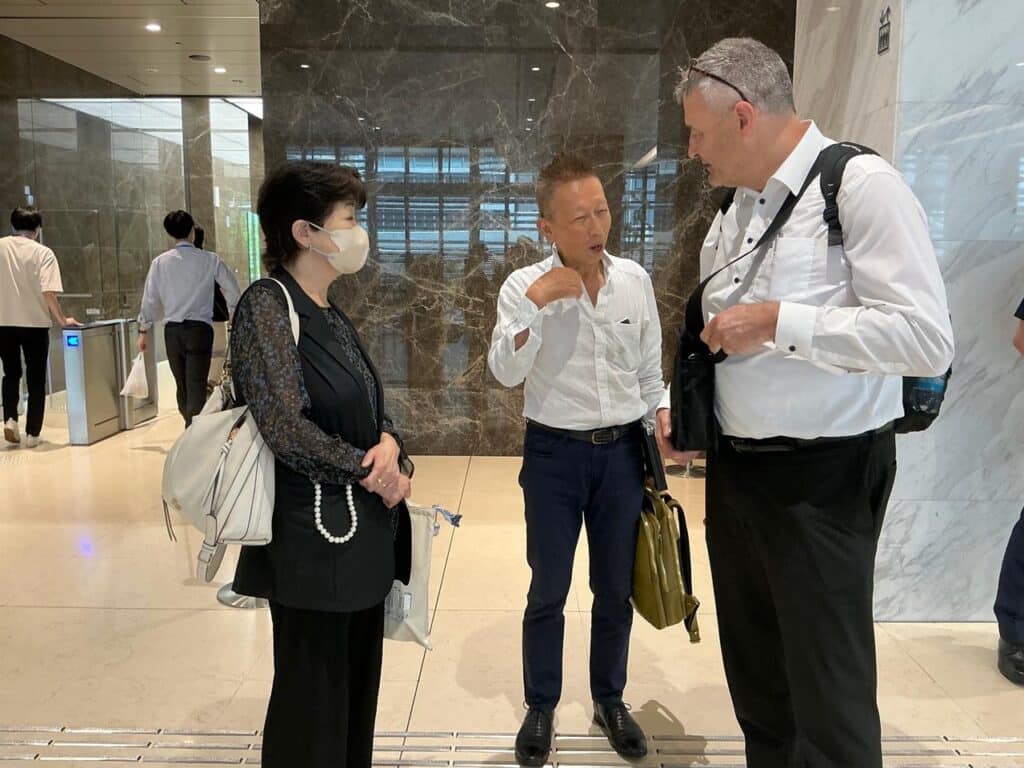
Frontier’s Dr. Martin Burow and Dr. Chris Lee have just returned from Japan, where they expanded the company’s clinical network and accelerated discussions on the use of Frontier’s Circulating Tumour Cell (qCTC) platform within one of the world’s most advanced oncology health systems.

“The trip completely exceeded my expectations. I had not expected to have the opportunity to meet so many key opinion leaders in oncology face-to-face and to see their immediate enthusiasm and real interest in working with us,” said Dr. Lee.

Frontier’s qCTC technology was exceptionally well received, with Japan’s leading researchers and biotech innovators recognising its potential to transform cancer monitoring. The vision of real-time, personalised treatment resonated strongly, particularly given that many current approaches still rely on outdated or static monitoring techniques. qCTC was viewed as a breakthrough tool that could help redefine standards of care.

Looking ahead, Dr. Burow commented: “Several major centres want to integrate qCTC into both NIH-funded and domestic clinical trials, so we are very excited to begin this next phase of work in Japan. The whole trip could not have gone better.”

Our own Dr Chris Lee was recently awarded a Fellowship of the Faculty of Pharmaceutical Physicians

Receiving the Fellowship of the Faculty of Pharmaceutical Physicians represented a significant milestone in my professional journey. On the day of the award, I was honoured to receive it from the President of the Faculty, an occasion that reflected not only personal achievement but also the recognition of sustained contributions to the field of pharmaceutical medicine. The fellowship is a formal acknowledgement of commitment to advancing standards of practice, supporting innovation, and ensuring the safe and effective development of medicines. Among my professional achievements, I am most proud of contributing to initiatives that have improved clinical research standards and patient safety, while also mentoring colleagues and supporting the development of future leaders in the discipline. The award serves as both recognition of past accomplishments and motivation to continue advancing the profession.