
OUR PRODUCT DEVELOPMENT
At Frontier Diagnostics, we know that better diagnostics save lives.
We are developing research-use blood tests and AI-powered tools to generate data that will support the scientific investigation of cancer biology, including tumour cell dynamics, therapy response and disease monitoring. These tools are intended for research use only and are not cleared for clinical diagnosis, treatment decisions or relapse detection yet.
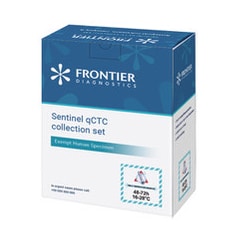
Sentinel qCTC
A minimally invasive blood-sample–based assay designed for the research detection of living circulating tumour cells (CTCs) — which will provide investigators with real-time data to study tumour biology and dynamics.
WHAT IS IT?
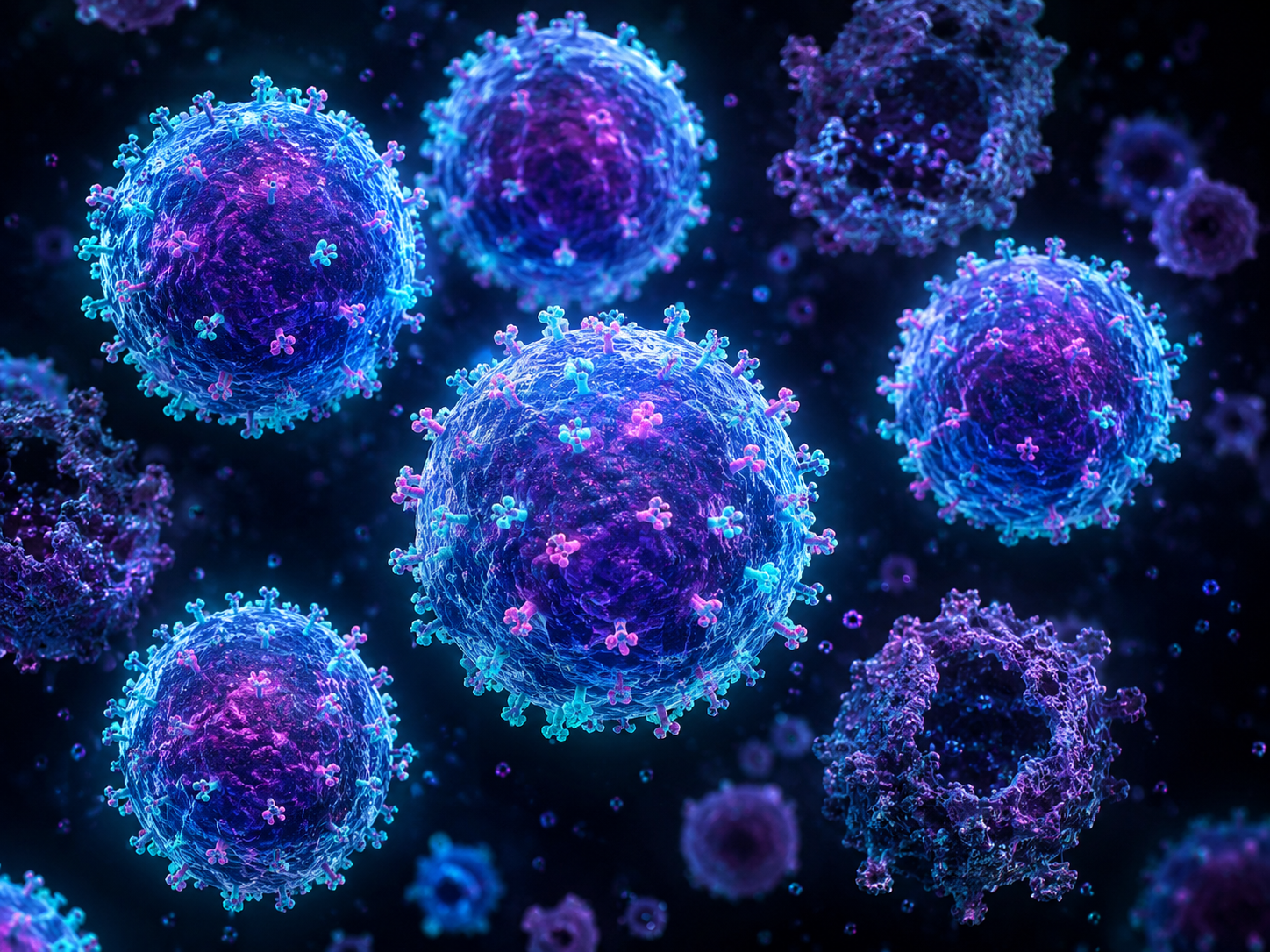
Sentinel qCTC is a research-use-only liquid biopsy assay designed to detect and quantify circulating tumour cells (CTCs) in blood samples. CTCs are intact, living and circulating tumour cells that may enter the bloodstream after detaching from a primary tumour or metastatic site. By enabling sensitive measurement of these cells, Sentinel qCTC provides researchers with valuable insights into tumour biology, disease dynamics, and the potential role of CTCs as biomarkers. This technology is currently still intended for research purposes only and is not yet cleared for diagnostic use. However registration under the IVD directive is progressing.
The Test
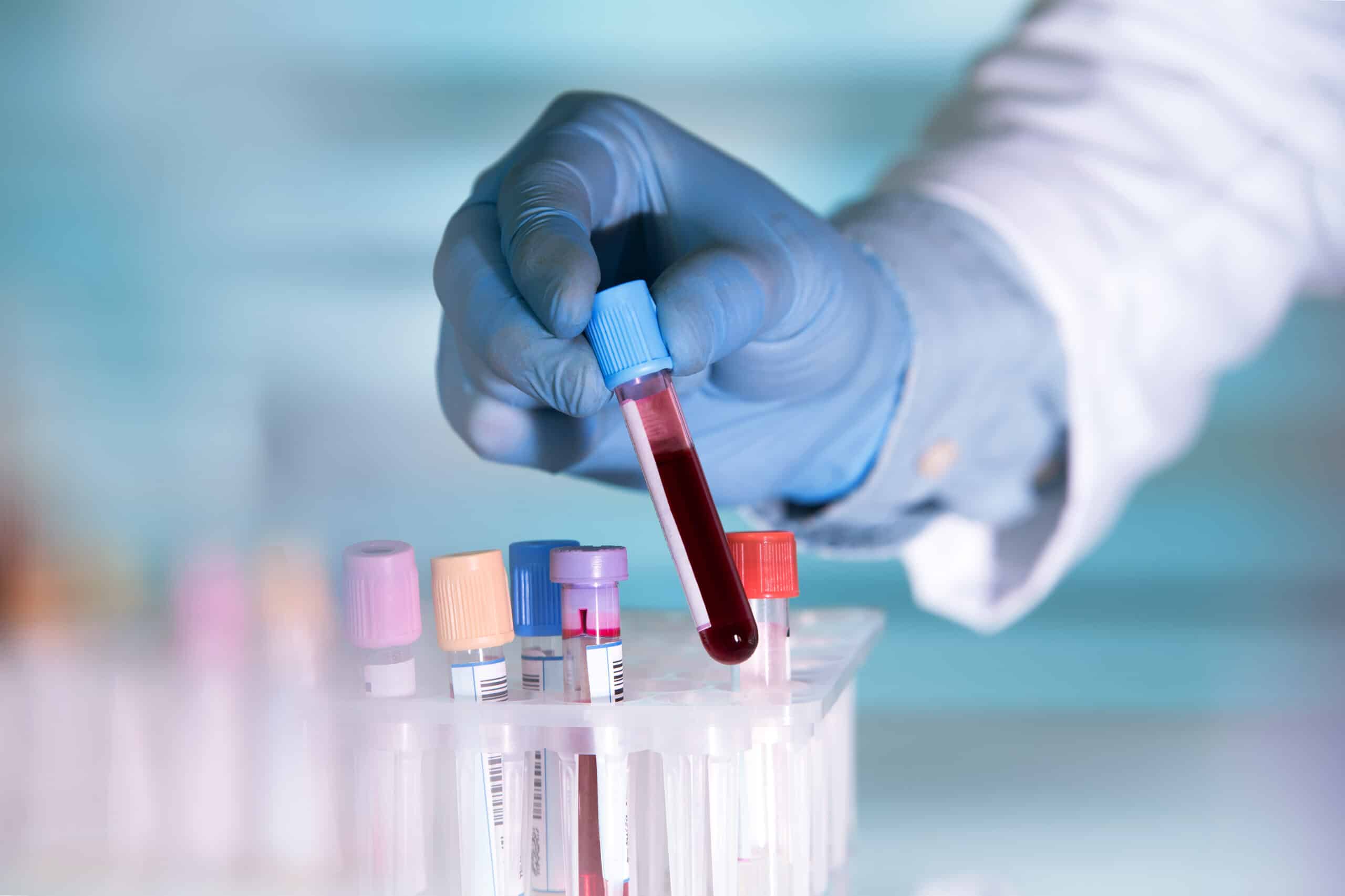
- Will use only a small 15 ml EDTA blood sample
- Is non-invasive and repeatable over time
- Samples are to be processed in a laboratory operating under ISO 15189 quality management principles for research sample handling.
- Is progressing towards registration as a CE marked medical device.
RESEARCH APPLICATIONS
POTENTIAL RESEARCH APPLICATIONS (INVESTIGATIONAL)
Sentinel qCTC is a highly sensitive, research use only liquid biopsy assay that detects and enumerates Circulating Tumour Cells (CTCs) in blood samples. These rare, living tumour cells can provide unique insights into tumour biology, disease progression and treatment response.
As part of ongoing research Sentinel qCTC is being explored for its potential to:
- Investigate whether CTC measurements correlate with disease changes at earlier timepoints compared to conventional assessments- research hypothesis under investigation.
- Generate research data on CTC dynamics during therapy, which investigators may use to explore correlations with treatment outcomes.
- Support longitudinal research studies examining CTC patterns during follow-up in research cohorts. Not for clinical remission monitoring.
- Generate data that may contribute to research exploring treatment response. Sentinel qCTC is not intended to inform or guide individual treatment strategy.
It applies to most solid epithelial tumours (e.g. breast, prostate, colon, lung).
While still under investigation, CTC analysis is being studied across a broad range of solid epithelial tumours (e.g., breast, prostate, colon, lung). For example, in breast cancer research, investigators are evaluating whether routine CTC monitoring (e.g. every 3–6 months) can offer insights into recurrence risk and help address patient concerns between scans.
RESEARCH VALIDATION BASIS
Sentinel qCTC builds on the foundation of a validated method that has been described in more than 100 peer-reviewed publications and investigated in ~30 clinical trials. This body of research demonstrates the potential of CTC analysis for:
- Detection of rare, single living tumour cells in blood has been demonstrated in research settings. Performance characteristics are under ongoing analytical and clinical investigation.
- Research data generation on CTC levels, which investigators may analyse in the context of minimum residual disease hypotheses. MRD utility is not validated for this assay.
- Published literature has reported associations between CTC counts and recurrence risk outcomes in research cohorts. Sentinel qCTC has not been validated as a predictor for individual recurrence risk.
Frontier is advancing this approach into Sentinel qCTC to support ongoing exploration of how living CTC measurements can contribute to a deeper understanding of cancer biology, treatment response, and disease dynamics.
To support researchers and clinicians in these studies, Sentinel qCTC will generate research data reports that include illustrated summaries designed to support investigator interpretation. Reports are for research use only and are not intended for direct patient communication or clinical decision-making.

QUANTUM FLUOSCOPE QF1
An AI-powered fluorescence microscope that will bring cancer cell analysis directly into the research environment – in real time.
HOW THE AI PLATFORM WILL WORK
The QF1 is a research-grade fluorescence microscope, developed by Frontier Diagnostics to analyse blood samples stained for tumour cells. The platform will:
- Detect and take images of CTCs with high sensitivity
- Use AI algorithms to standardise cell counting and reduce subjectivity
- Generate objective, reproducible results for research investigators. The QF1 is a research instrument; outputs are not validated for clinical diagnostic use.
- Differentiate using AI between living and dead cells for a real quantitative result

DESIGNED TO WORK SEAMLESSLY WITH Sentinel qCTC
The Quantum FluoScope (QF1) has been developed to integrate directly with Sentinel qCTC, which will enable research laboratories to perform liquid biopsy assays on-site. This design will remove the need to ship samples to a central lab and will reduce turnaround time from days to just a few hours.
- Labs will be able to perform liquid biopsy tests on-site
- It will eliminate the need for the international shipping of samples
- May cut turnaround time from days to hours
By combining qCTC with the Quantum FluoScope, research laboratories will gain rapid access to CTC data, supporting faster research insights. This is a research tool and does not substitute for clinical investigation or medical decision-making.
BENEFITS FOR RESEARCH INVESTIGATORS & LABORATORIES
Sentinel qCTC is being developed to support research into circulating tumour cells with a platform designed for both sensitivity and efficiency. Key features will include:
- Reliable detection of individual, living CTCs
- Throughput of up to 20 samples in under 3 hours (final evaluation stage)
- Seamless integration with LIMS and electronic record systems
- User-friendly workflow, designed with CE compliance in preparation
- Suitable for high-volume research laboratories
By combining high analytical performance with operational efficiency, Sentinel qCTC will enable research laboratories to expand their research capabilities in liquid biopsy — helping them explore new scientific frontiers while streamlining processes.
RESEARCH WORKFLOW
Test kits will be available to qualified research sites and participating investigators only. Direct patient ordering is not available for this research-use instrument.
TEST MODALITY COMPARISON- For research context
Understand how Frontier Diagnostics tests differ from standard methods.
| FEATURE | SENTINEL qCTC | STANDARD IMAGING (CT, MRI) | ctDNA |
|---|---|---|---|
| Invasiveness | Minimally invasive blood test | Radiation & scan; some discomfort | Not quantitative, only targeted mutations, dead cell measurement |
| Detects living tumour cells | Yes | No | No |
| Real-time monitoring | Yes | Limited | Close, however non quantitative |
| Repeatability | Easy & safe | Less practical | Expensive, non quantitative |
| Early detection | Far earlier than scans | Detects visible lesions only | Earlier than scans |
| Drug testing | Yes- ex-vivo drug sensitivity research- under investigation. Drug sensitivity profiling is under research development and is not validated for clinical use or treatment guidance. | No | No |
| Long-term monitoring | Yes | Yes, but late due to detection limits | Depends, only for certain mutations |
GET IN TOUCH
Please fill in the form if you would like to be added to a waitlist to receive information about the test kit – when it becomes available.