
Walk into almost any breast cancer conference and mention CTCs- Circulating Tumour Cells- and you’ll sense the discomfort immediately. The CTC diagnostics market has long been dogged by the limitations of early technologies: detecting only a handful of cells, then doing little more than counting them.That reputation was further damaged by companies marketing tests directly to some of the most vulnerable people – those worried they might have breast cancer.
That era is now over.
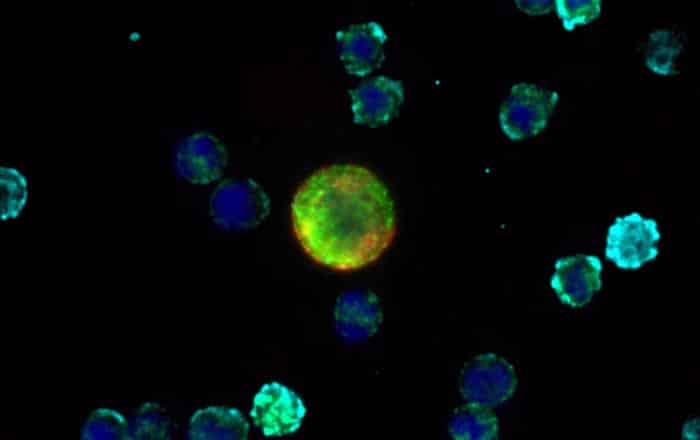
We’re no longer talking about identifying and counting a few isolated circulating tumour cells. Today’s breakthrough technology can identify thousands of cells, repeatedly, with consistent accuracy. More importantly, it’s no longer just about quantity. It’s about understanding the biology of these cells- their characteristics, behaviour, and evolution over time.
This transforms what CTC testing can achieve. It supports early detection through reliable, high-volume identification, supports truly personalised treatment decisions, and allows for ongoing monitoring through regular, minimally invasive tests. Crucially, it also opens the door to relapse monitoring, with the potential to identify emerging tumours- or even suspicious cell clusters- up to 18 months earlier than traditional screening methods.
CTCs are no longer a dirty word. They’re becoming a powerful tool in the future of breast cancer detection, treatment and long-term care.